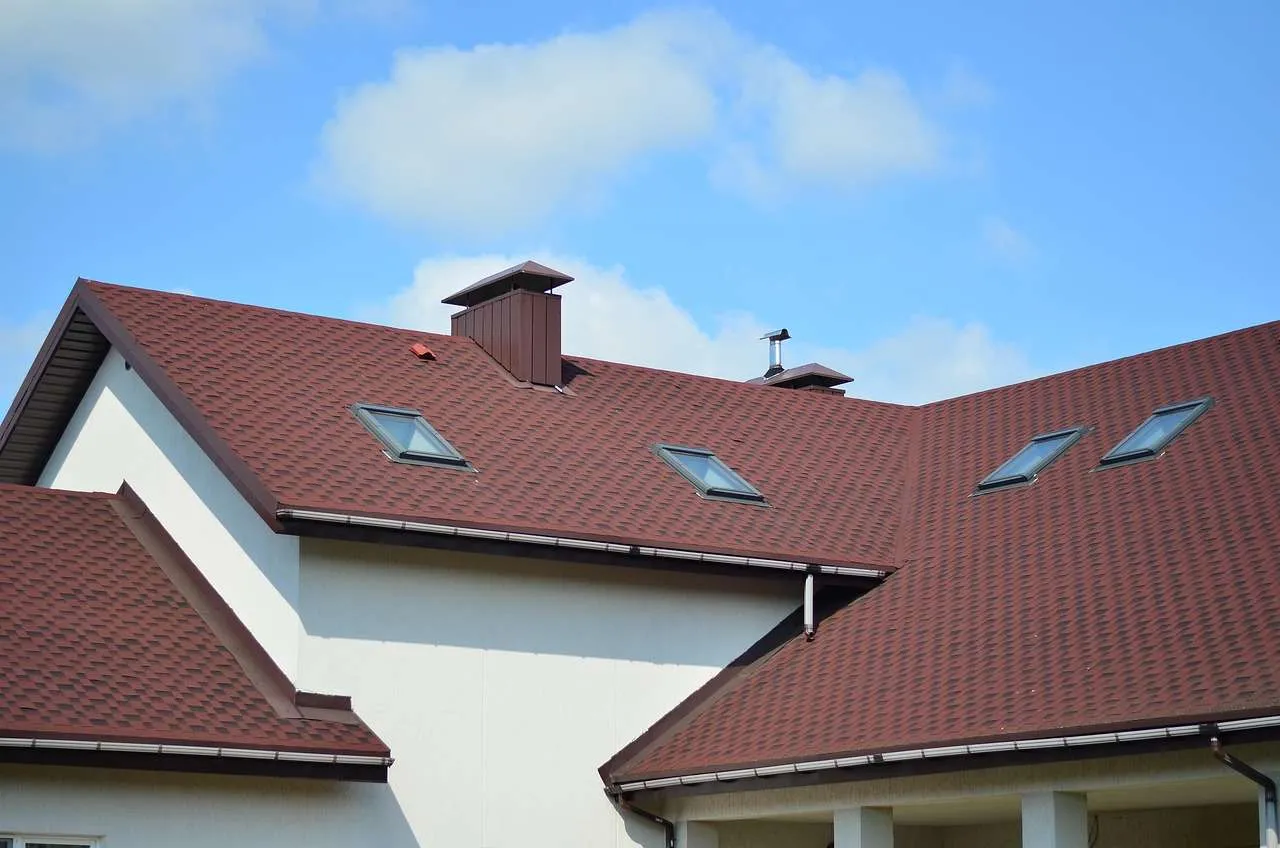
TPO Roofing Guide: Benefits, Costs, and Tips

TPO roofing, short for thermoplastic polyolefin, is a popular single-ply membrane used on commercial buildings and many modern residences. It combines a reflective surface with a weldable seam, which makes it durable and repairable. This guide explains what TPO is, why it matters, how it is installed, and how to choose a qualified contractor to ensure long term performance.
What is TPO roofing?
Thermoplastic polyolefin is produced as a flexible sheet. The membrane is typically reinforced with a polyester or fiberglass core, then coated with a top layer that reflects sunlight. When installed, seams are heat-welded to create a continuous, watertight roof. TPO is a common choice for flat and low-slope roofs because of its balance of performance and cost.
Benefits of TPO roofing
- High reflectivity and energy efficiency reduce cooling loads in hot climates.
- Strong seam performance because heat welding creates durable, watertight seams.
- Cost effectiveness compared with PVC while offering good longevity.
- Flexible installation options including mechanically attached, fully adhered, and ballasted methods.
- Repairability and recyclability at end of life.
Considerations and drawbacks
Not all TPO membranes are identical. Brand and formulation affect UV resistance, aging, and seam performance. To avoid surprises, verify a manufacturer approved installer, review warranty terms, and request independent seam testing results. Some installers may experience quality variation if subcontractors differ between projects. In heat aged environments, protective coatings or reflective coatings can help maintain reflectivity over time.
Materials, installation, and maintenance
Typical TPO membranes range from 45 to 60 mils in thickness. Membranes can be attached with mechanical fasteners, adhered with adhesive, or ballasted with ballast boards and gravel. The choice depends on roof structure, weather during installation, and existing insulation. Maintenance is simple: keep the surface clear of debris, inspect seams periodically, and address damaged areas promptly with patching or seam repair. Warranties commonly span 10 to 20 years and may require periodic inspections by factory representatives.
Cost and lifespan
Installed costs for TPO are generally in the moderate range for single-ply systems. In many regions, expect roughly five to nine dollars per square foot installed, depending on roof size, substrate, insulation, and labor. Lifespan is typically cited at 15 to 25 years, with proper maintenance and timely repairs extending service life beyond that window in some cases.
Choosing a TPO roofing contractor
Work with contractors who are experienced with TPO membranes, follow manufacturer installation procedures, and provide references. Ask for proof of ongoing training, access to certified installers, and a written warranty that remains in force even if a product change occurs. Request project references, photos of completed jobs, and a site visit to assess roof structure and insulation. A thorough bid should describe the membrane brand, installation method, fastener schedule, and warranty terms.
Comparison table: TPO vs EPDM vs PVC
| Material | Energy and Reflectivity | Durability | Cost | Installation | Lifespan |
|---|---|---|---|---|---|
| TPO | High reflectivity | Good seam strength, moderate puncture resistance | Moderate | Mechanically attached, fully adhered, or ballasted | 15-25 years |
| EPDM | Moderate reflectivity | Excellent puncture resistance | Low | Ballasted or fully adhered | 20-30 years |
| PVC | Very high reflectivity | Excellent durability | Higher | Fully adhered or mechanically attached | 20-30 years |
Frequently asked questions
- Is TPO roofing suitable for residential homes?
- How long does a TPO roof last?
- What maintenance does a TPO roof require?
Conclusion, TPO roofing offers a balanced option for many building types. By understanding membrane choices, installation methods, and warranty terms, owners can gain energy savings, reliable performance, and a roof that is repairable if issues arise. Work with a qualified contractor, review product data, and document the expected service life to maximize return on investment.